

Type 2 Diabetes
Type 2 Diabetes Overview
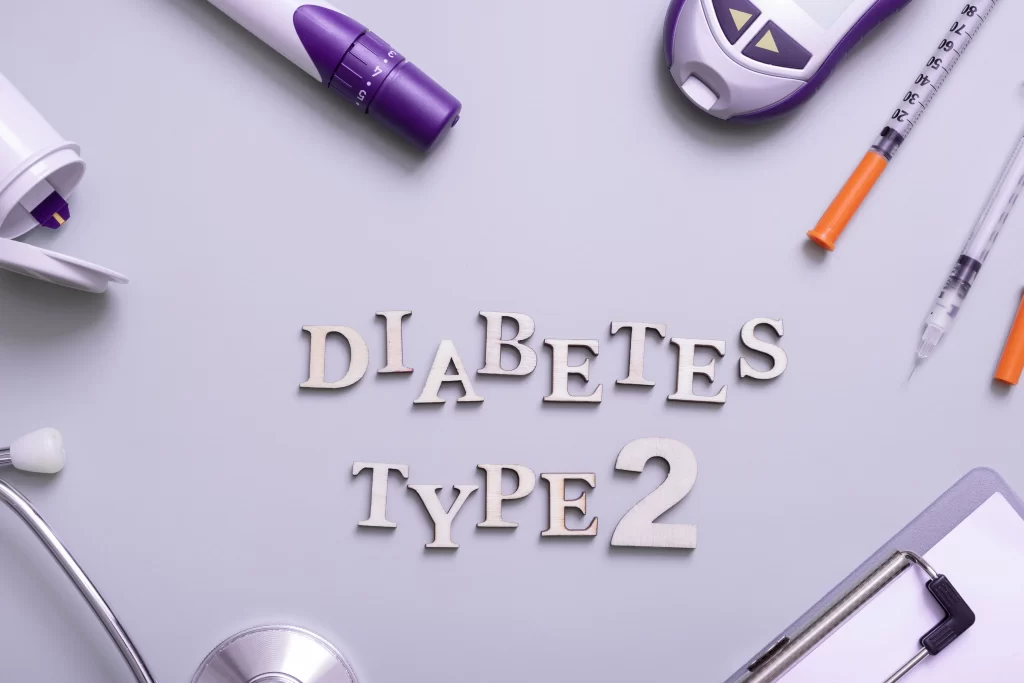
Type 2 diabetes is a chronic disease in which sugar or glucose levels build up in the blood.
Normally, the hormone insulin helps move glucose from the blood into the cells to be used as energy. However, in type 2 diabetes, the body’s cells cannot respond well to insulin. In the later stages of the disease, the body also fails to produce enough insulin.
Uncontrolled type 2 diabetes can lead to chronic hyperglycemia, causing multiple symptoms and potentially serious complications.
There is still no cure for type 1 diabetes, despite much research. The goal of treatment is to prevent problems by controlling blood sugar levels with the use of insulin, food, and lifestyle changes.
Signs & Symptoms

If you experience symptoms, you may observe that:

Persistent hunger
Lack of energy
Exhaustion
Excessive thirst
Frequent urination
Hazy vision & discomfort
⚖ Type 1 V/S Type 2 Diabetes
Type 2 diabetes is not the same as type 1 diabetes. In Type 1 diabetes, the pancreas does not produce insulin. In type 2, the pancreas does not produce enough insulin and the insulin it does not always work properly. Both types are forms of diabetes mellitus, meaning they lead to high blood sugar (hyperglycaemia).
Type 2 diabetes usually affects older people, but is more common in children. Type 1 diabetes usually develops in children or young adults, but it can develop in people of any age.
Food For Better Health
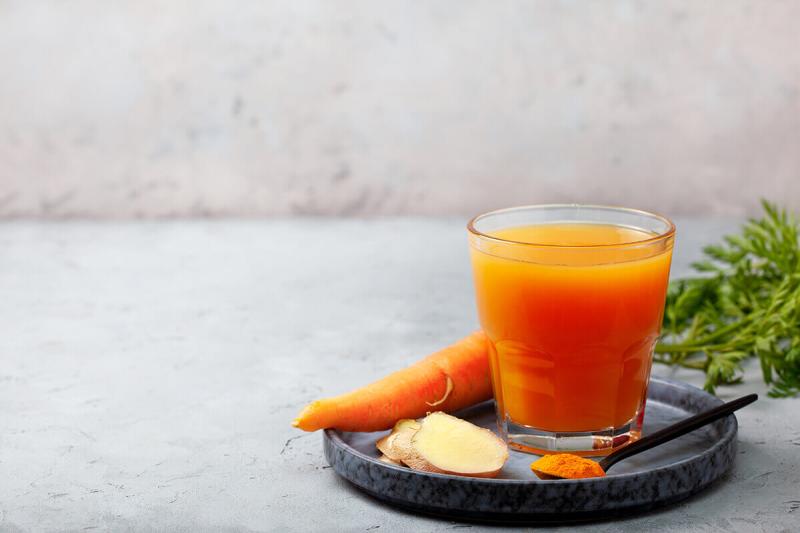
Carrot Ginger Juice Carrot Ginger Juice
Both carrots and ginger are rich in antioxidants, which …
Read More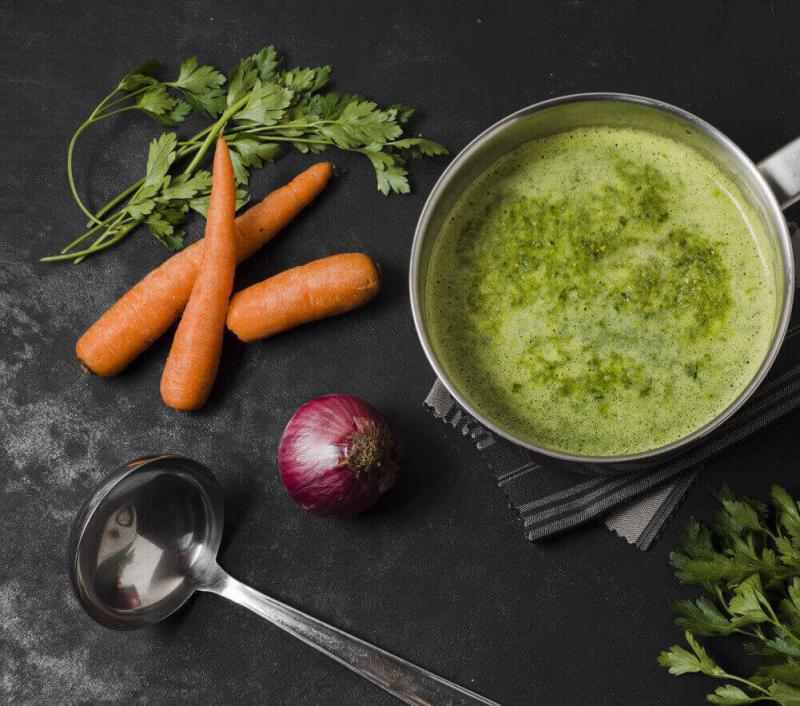
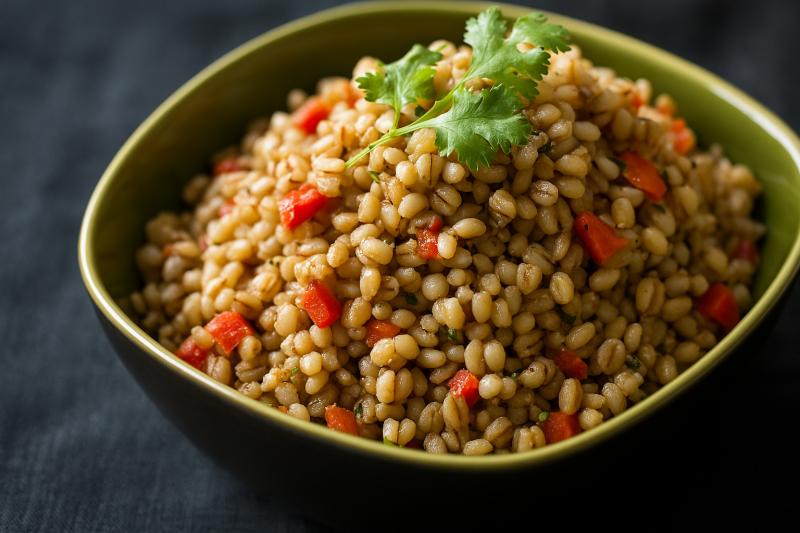
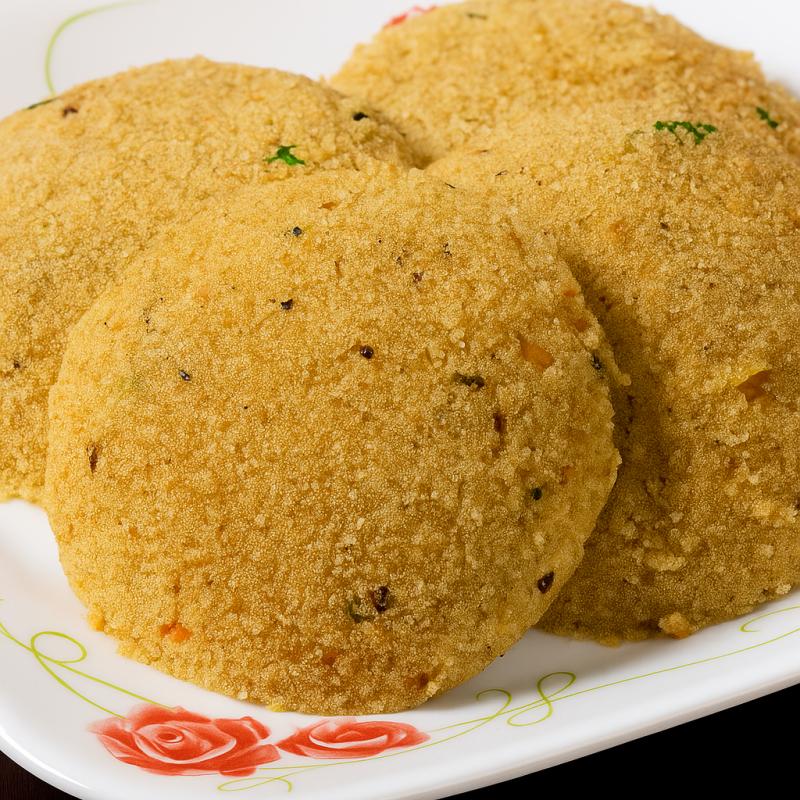
Healthy Oats Idli
Oats are rich in beta-glucan, a soluble fiber that helps lower cholesterol and maintain steady energy levels, supporting heart health.
Read More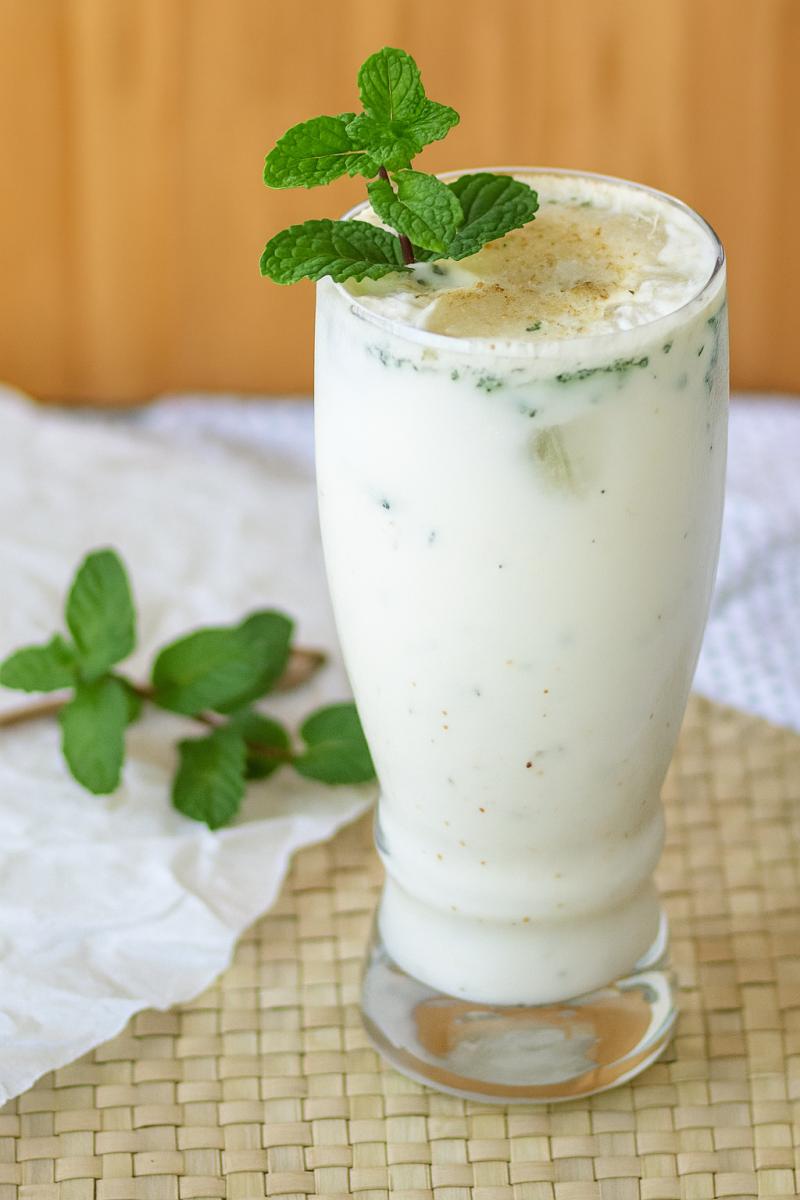
Sattu Chaas
Rich in plant-based protein and probiotics, sattu chaas helps regulate blood sugar and promotes gut health.
Read More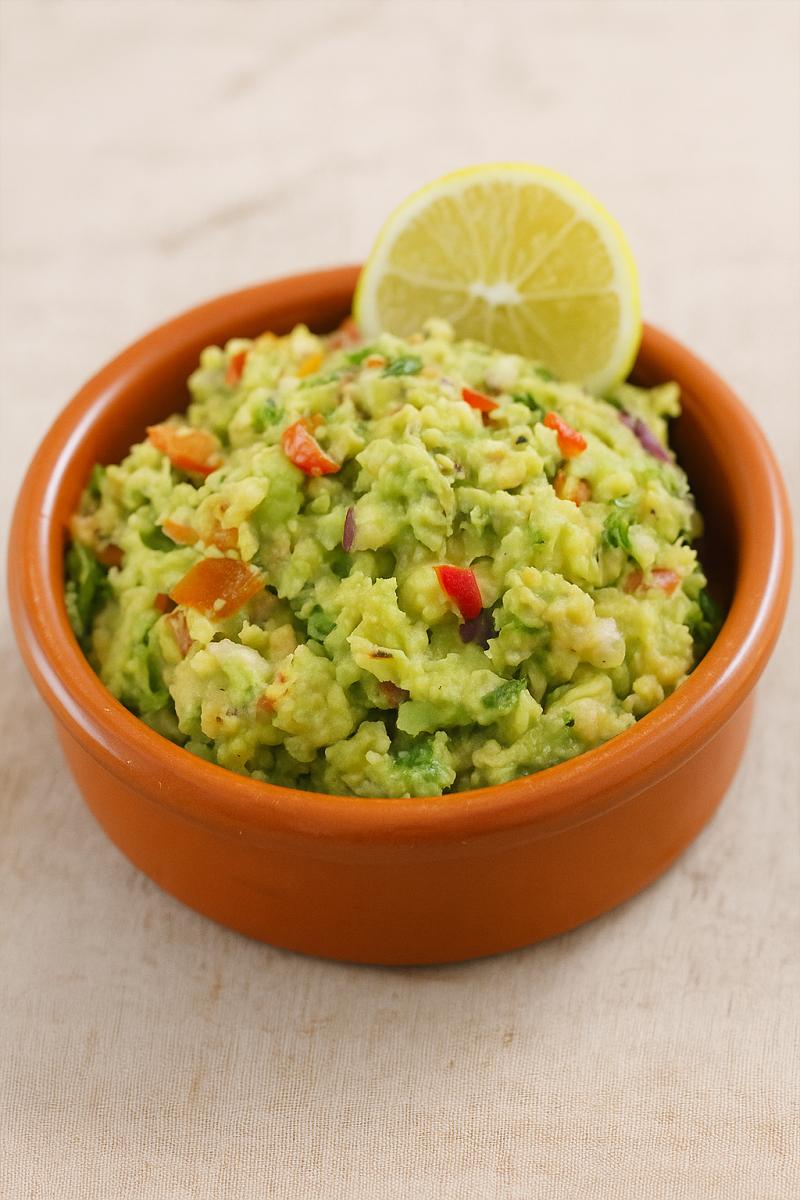
Mexican Avocado Dip
Avocados provide monounsaturated fatty acids (MUFAs) that improve HDL (“good”) cholesterol
Read More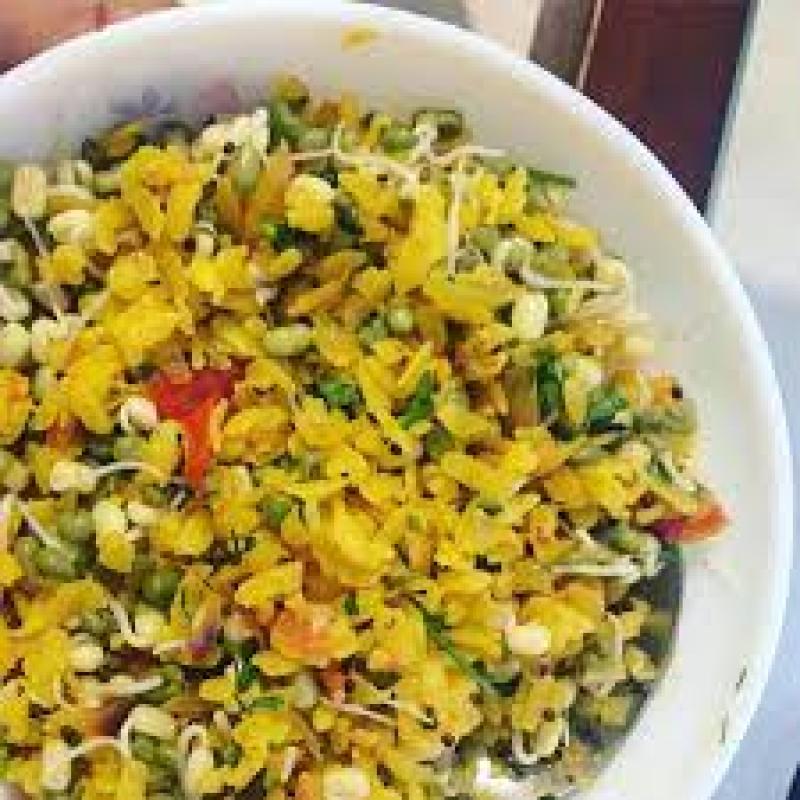
Protein Poha
Red rice poha has a low-to-moderate glycemic index (38–64), providing steady glucose release.
Read More
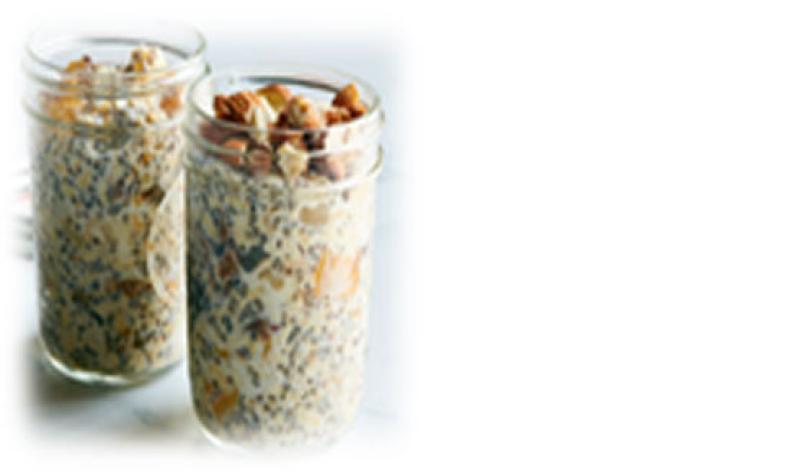
Overnight Soaked Oats
This is a no-cook breakfast recipe that is high in fiber, helping keep you full between meals.
Read MoreVideos List
Diet is an essential part of healthy living ,below you can find regional diet plan that can help you with your Lifestyle modification.