


Pelvic Floor Disease
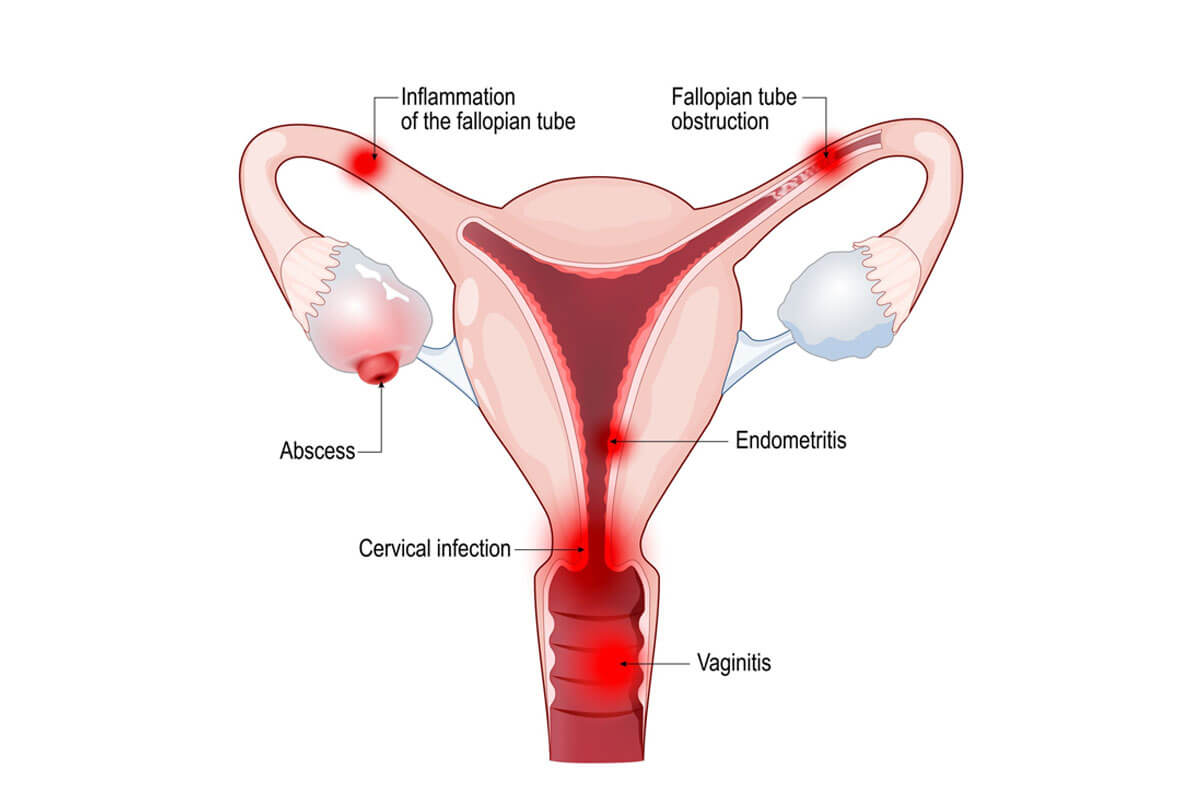
This refers to dysfunction or weakening of the pelvic floor muscles that support bladder, bowel, and reproductive organs, leading to various urinary and bowel symptoms.
Symptoms: Urinary incontinence or retention, pelvic pressure or pain, bowel movement difficulties, and sexual dysfunction.
Management: Pelvic floor muscle training (Kegel exercises) is the cornerstone, improving muscle strength and coordination. Lifestyle changes include weight management, avoiding heavy lifting, and addressing constipation. Biofeedback and physical therapy can assist in symptom control. Early recognition and consistent exercises improve quality of life and reduce symptom severity.
Food For Better Health

Carrot Ginger Juice Carrot Ginger Juice
Both carrots and ginger are rich in antioxidants, which …
Read More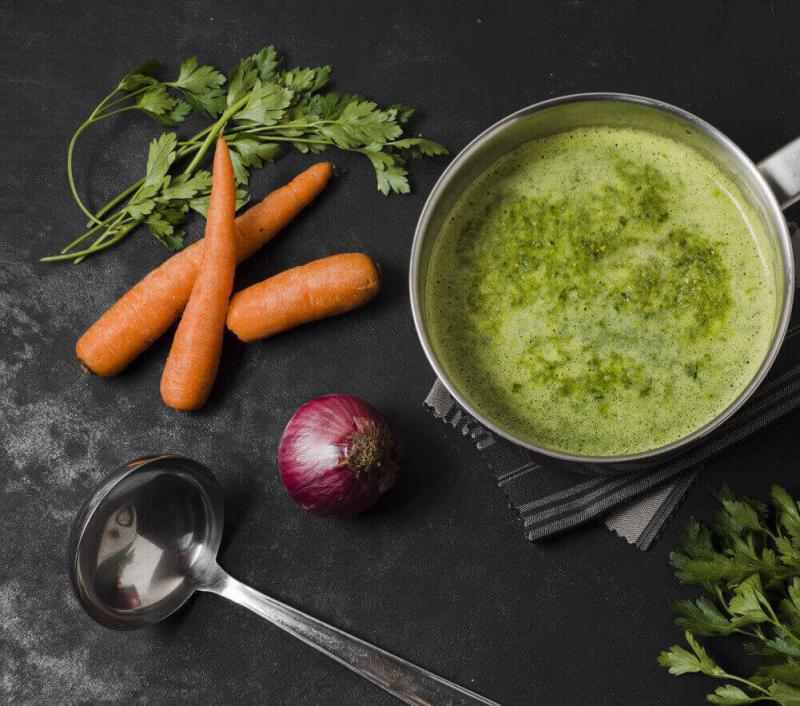
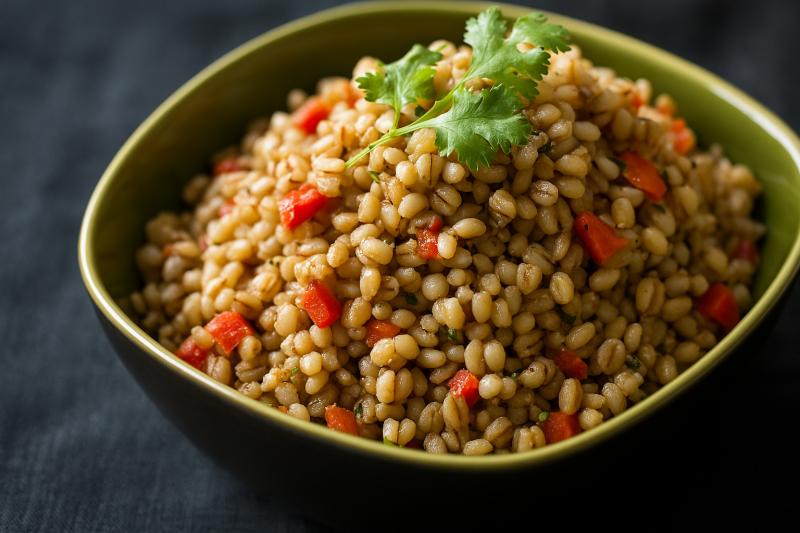

Healthy Oats Idli
Oats are rich in beta-glucan, a soluble fiber that helps lower cholesterol and maintain steady energy levels, supporting heart health.
Read More
Sattu Chaas
Rich in plant-based protein and probiotics, sattu chaas helps regulate blood sugar and promotes gut health.
Read More
Mexican Avocado Dip
Avocados provide monounsaturated fatty acids (MUFAs) that improve HDL (“good”) cholesterol
Read More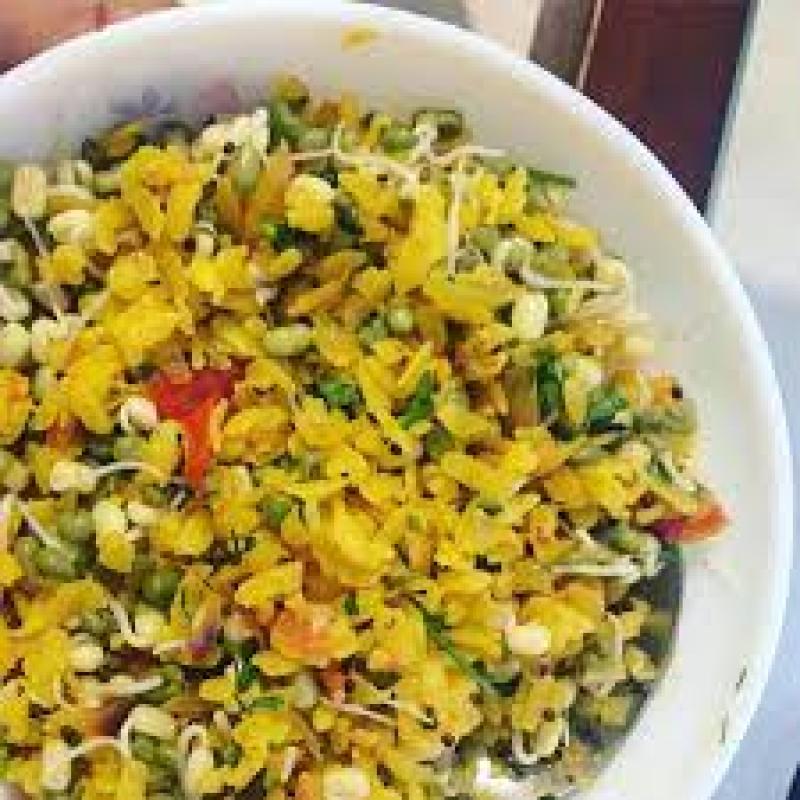
Protein Poha
Red rice poha has a low-to-moderate glycemic index (38–64), providing steady glucose release.
Read More
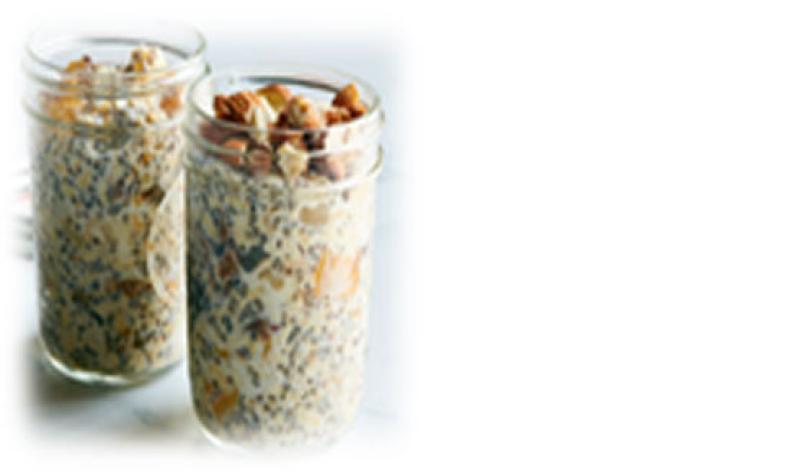
Overnight Soaked Oats
This is a no-cook breakfast recipe that is high in fiber, helping keep you full between meals.
Read MoreVideos List
Diet is an essential part of healthy living ,below you can find regional diet plan that can help you with your Lifestyle modification.