


Acute Lymphoblastic Leukemia
What is ALL?
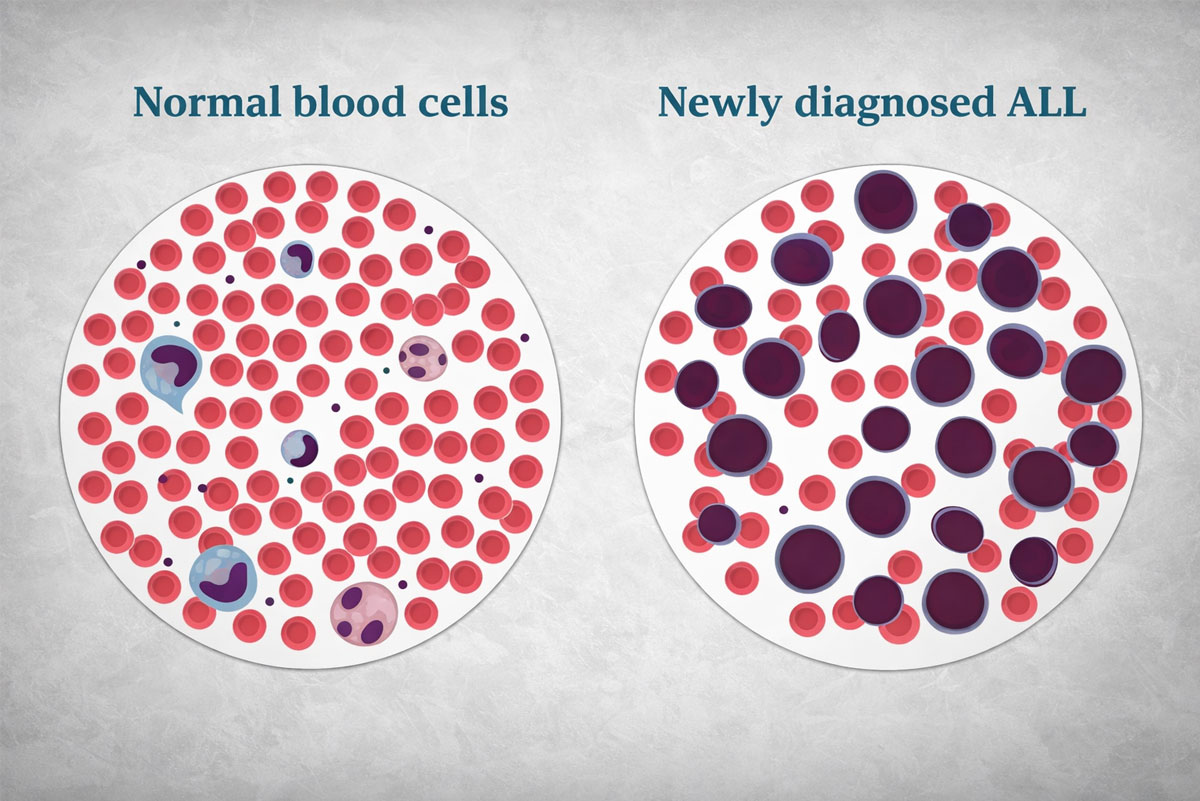
Acute Lymphoblastic Leukemia (ALL) is a type of blood cancer that begins in the bone marrow, the soft inner part of the bones where blood cells are made. In ALL, the bone marrow produces abnormal white blood cells called lymphoblasts. These immature cells crowd out healthy blood cells, leading to serious health problems.
ALL progresses rapidly and requires prompt treatment. It is most common in children, but it can also affect adults.
Signs & Symptoms

If you experience symptoms, you may observe that:

Fatigue or weakness
Fever and frequent infections
Pale skin
Easy bruising or bleeding (e.g., nosebleeds, bleeding gums)
Bone or joint pain
Swollen lymph nodes
Loss of appetite or weight loss
Shortness of Breath
Enlarged liver or spleen
Who Can Get ALL?
- Most common in children aged 2–5 years
- Can also occur in teenagers and adults, especially over age 50
- Slightly more common in males
- Genetic conditions like Down syndrome or family history may increase risk
- Exposure to radiation or certain chemicals may be a contributing factor
Types of ALL
ALL is classified based on the type of lymphocyte affected:
- B-cell ALL – Most common form, especially in children
- T-cell ALL – More common in older children, teens, and adults
Can ALL Be Prevented?
There’s no sure way to prevent ALL, but early detection and awareness of symptoms can save lives. Genetic counseling may be helpful for families with known risks.
Tests and Diagnosis
Complete Blood Count (CBC)
Measures levels of red cells, white cells, and platelets
In ALL, white blood cell counts are often very high or very low
Peripheral Blood Smear
Examines blood cells under a microscope to look for abnormal lymphoblasts
Bone Marrow Biopsy
A small sample of bone marrow is taken (usually from the hip) to confirm diagnosis and determine the percentage of blast cells
Lumbar Puncture (Spinal Tap)
Checks if leukemia has spread to the fluid around the brain and spinal cord
Genetic & Molecular Testing
Identifies chromosome changes (e.g., Philadelphia chromosome) that help guide targeted therapy