

Type 1 Diabetes
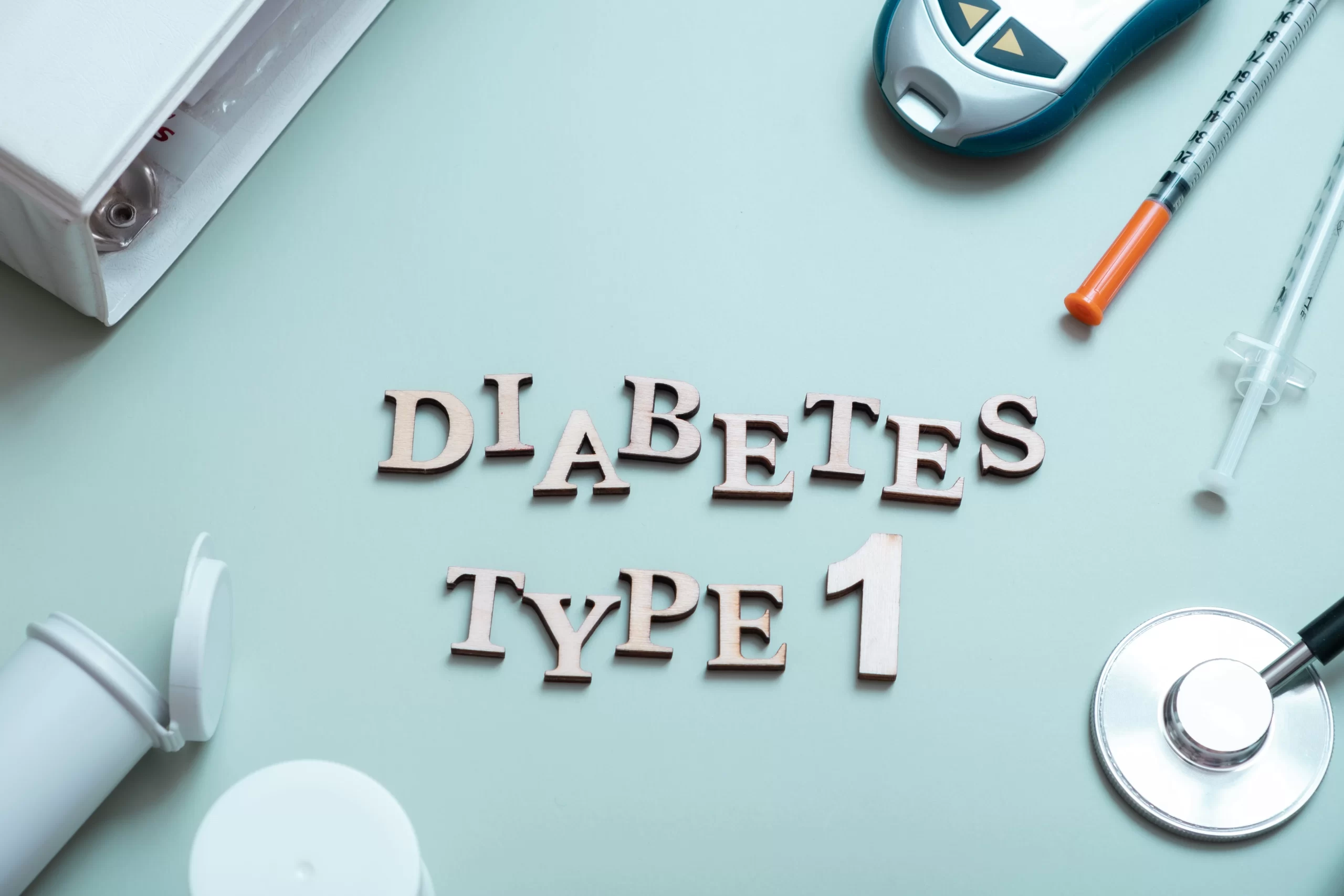
Type 1 Diabetes
Type 1 diabetes, formerly known as juvenile diabetes or insulin-dependent diabetes, is a chronic disease. In this state, the pancreas produces little or no insulin. Insulin is a hormone that the body uses to take sugar (glucose) into cells to produce energy.
Different factors, such as genetics and some viruses, may cause type 1 diabetes. While type 1 diabetes typically appears in childhood or adolescence, it can also strike adults.
There is still no cure for type 1 diabetes, despite much research. The goal of treatment is to prevent problems by controlling blood sugar levels with the use of insulin, food, and lifestyle changes.
Signs & Symptoms

If you experience symptoms, you may observe that:
Increasing Appetite
Frequent Urination
Blurry Vision
Tingling in Limbs
Excessive Thirst
Wounds that don't heal
⚠ What are the complications that Type -1 Diabetes will lead to?
Over time, complications of type 1 diabetes can affect vital organs in the body. The heart, blood vessels, nerves, eyes, and kidneys are some of these organs. Having normal blood sugar levels reduces the risk of many complications.
Diabetes complications can lead to disabilities or even threaten your life.
Food For Better Health
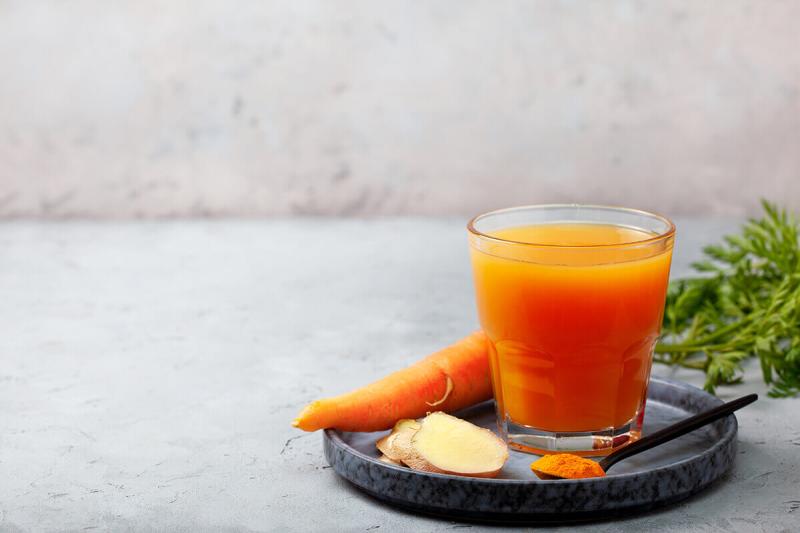
Carrot Ginger Juice Carrot Ginger Juice
Both carrots and ginger are rich in antioxidants, which …
Read More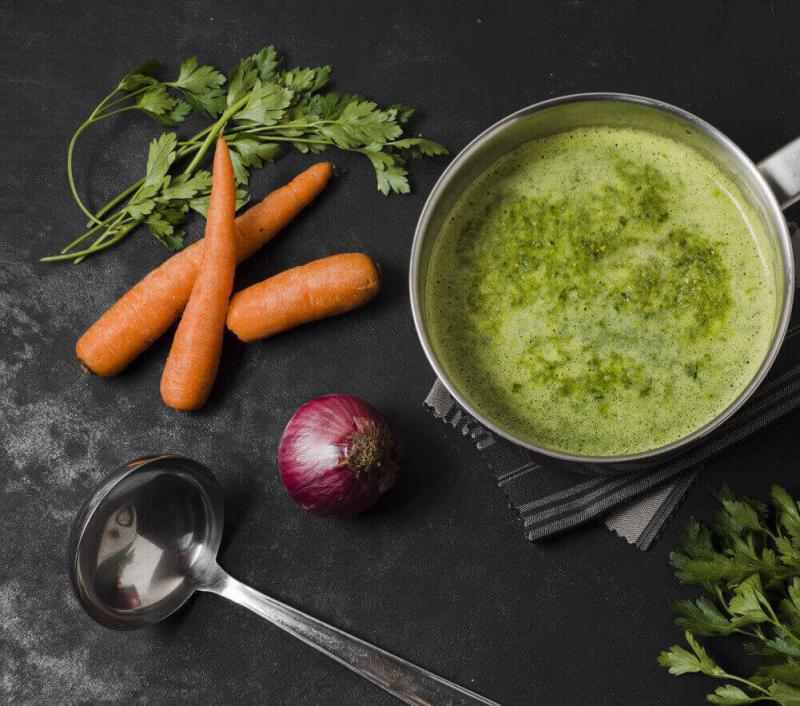
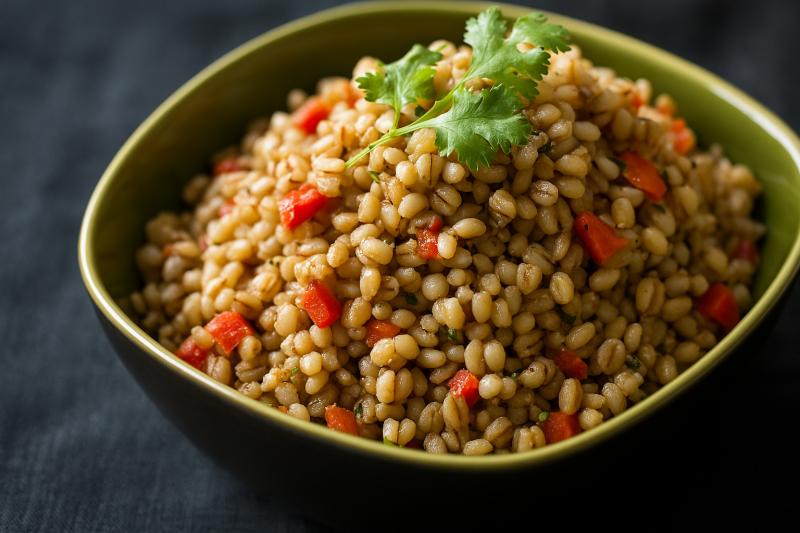
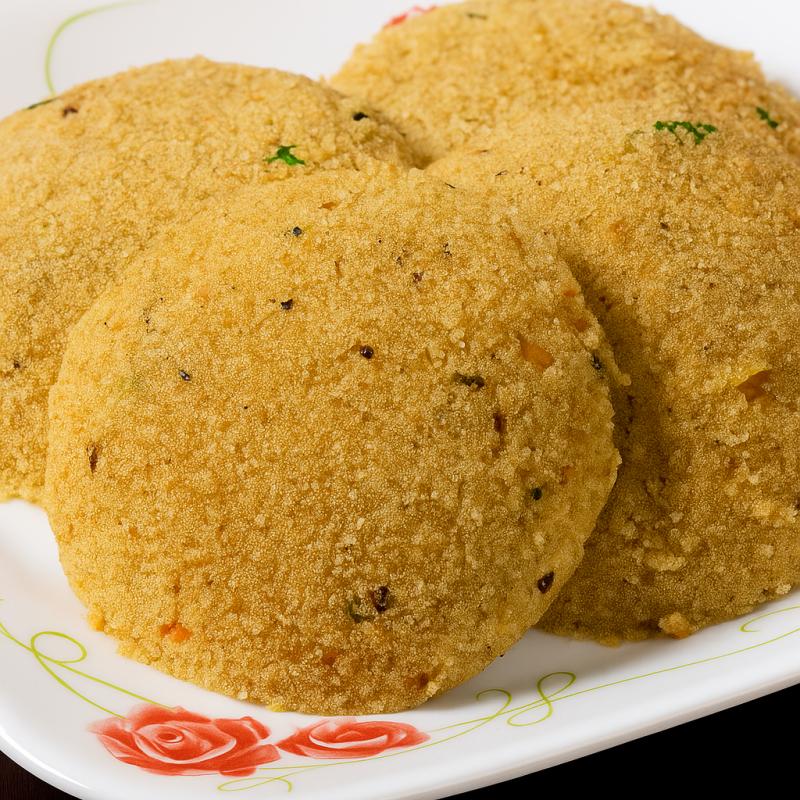
Healthy Oats Idli
Oats are rich in beta-glucan, a soluble fiber that helps lower cholesterol and maintain steady energy levels, supporting heart health.
Read More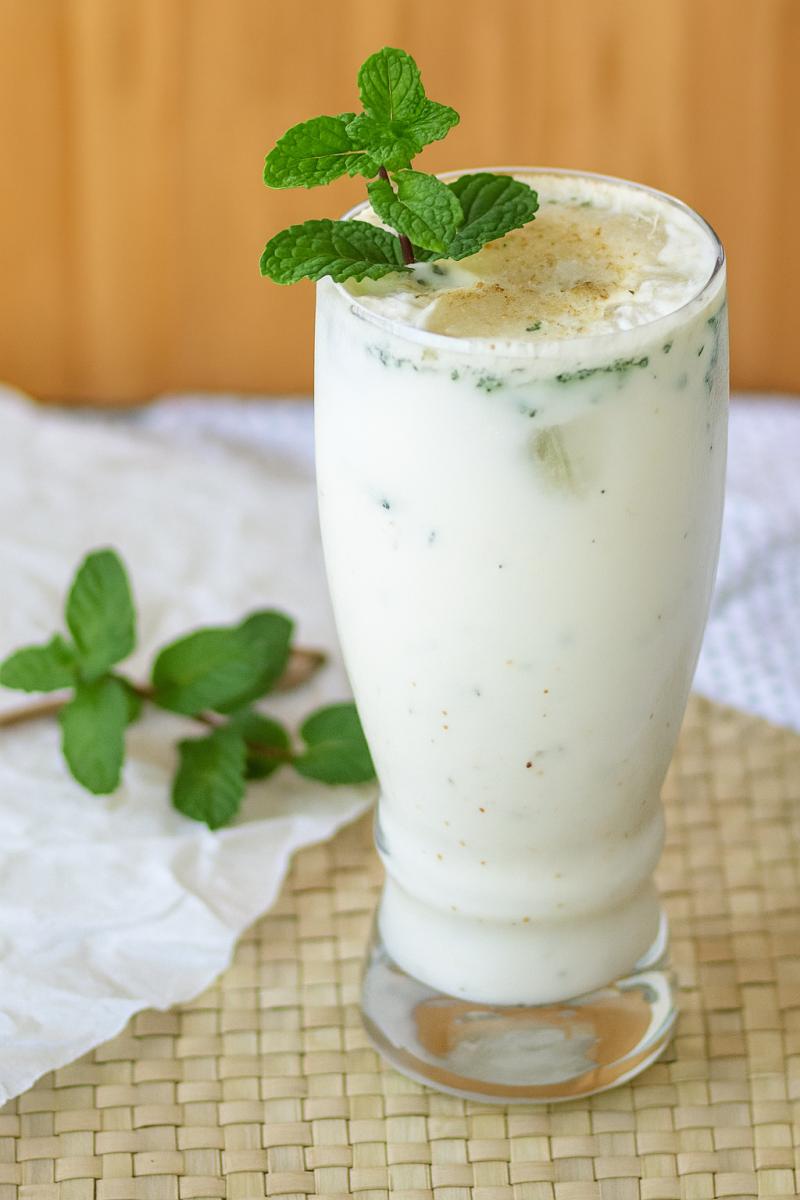
Sattu Chaas
Rich in plant-based protein and probiotics, sattu chaas helps regulate blood sugar and promotes gut health.
Read More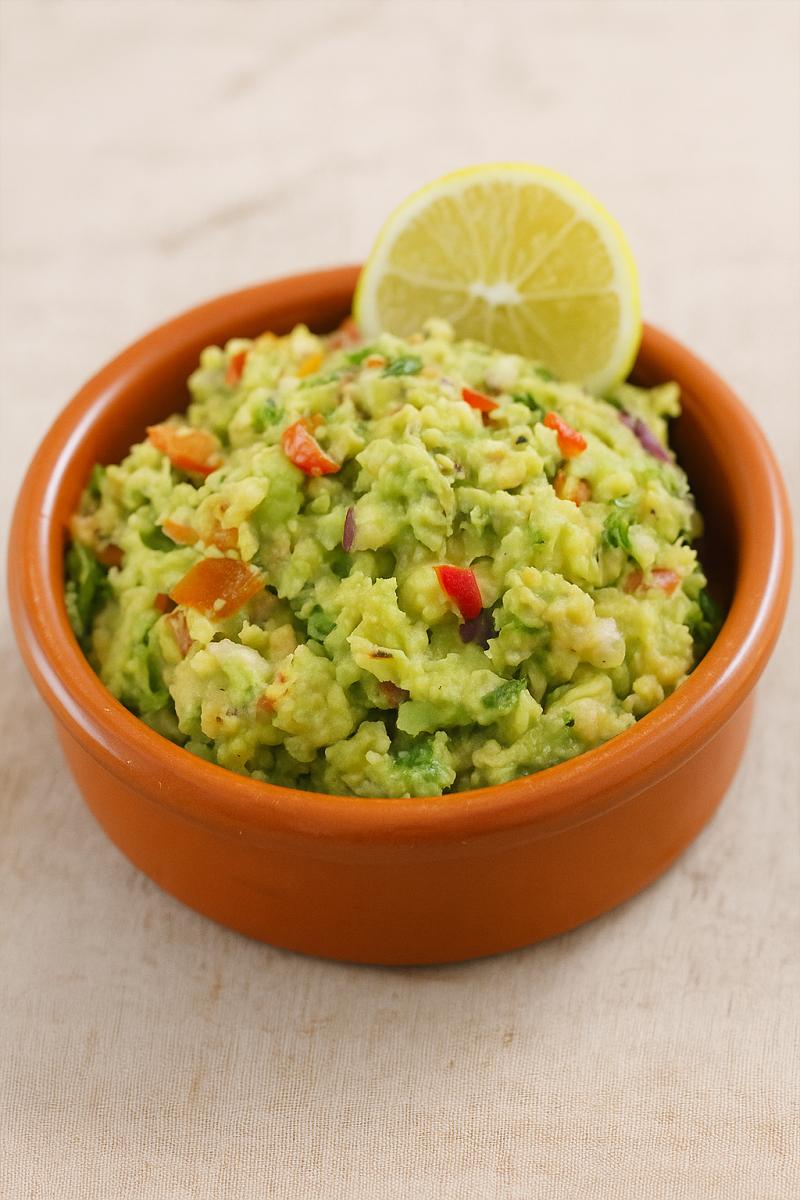
Mexican Avocado Dip
Avocados provide monounsaturated fatty acids (MUFAs) that improve HDL (“good”) cholesterol
Read More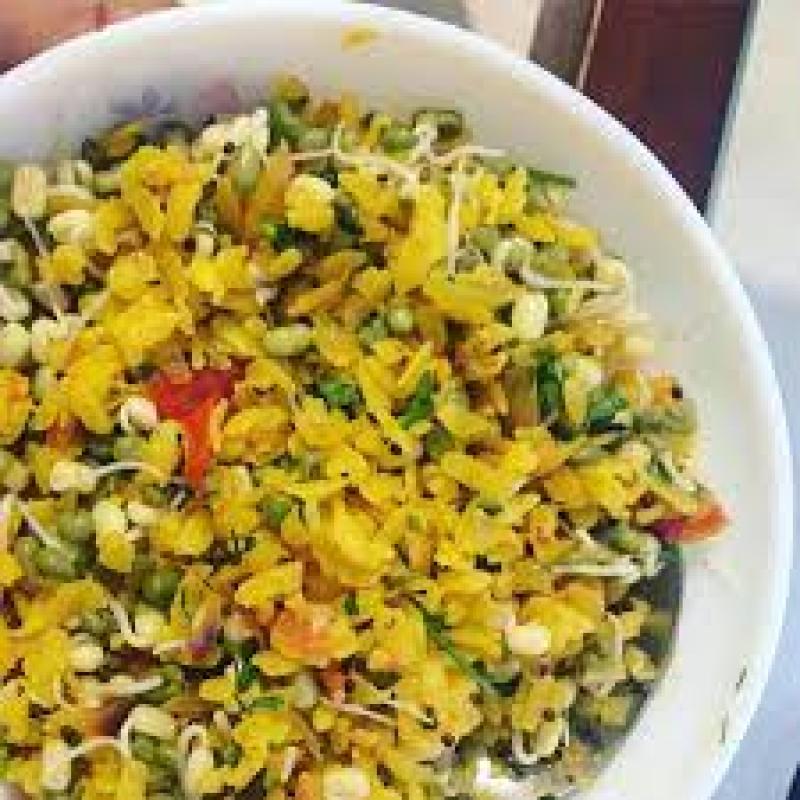
Protein Poha
Red rice poha has a low-to-moderate glycemic index (38–64), providing steady glucose release.
Read More
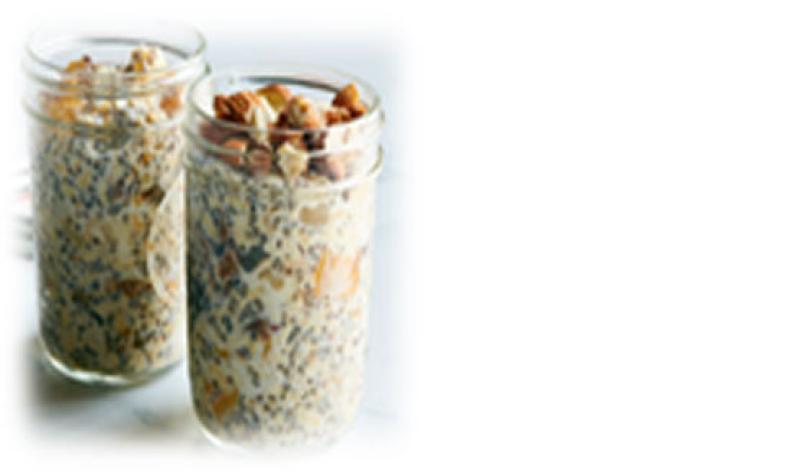
Overnight Soaked Oats
This is a no-cook breakfast recipe that is high in fiber, helping keep you full between meals.
Read MoreVideos List
Diet is an essential part of healthy living ,below you can find regional diet plan that can help you with your Lifestyle modification.